
ALLULOSE (ASTRAEA™)
A rare solution for
pure sweetness and wellness
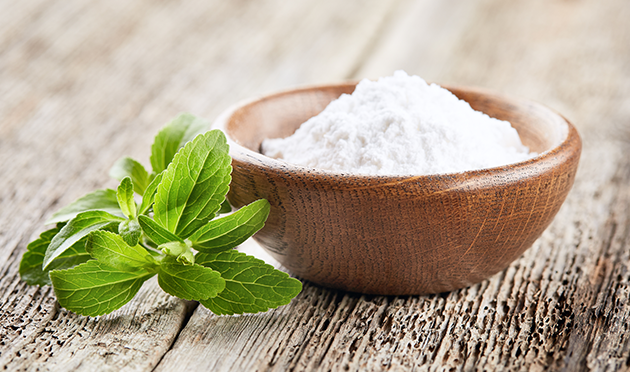
Rare sugars are carbohydrates that exist in limited quantities in nature, with approximately 50 types said to exist. Among them, allulose, known to exist in trace amounts in figs and raisins, is gaining attention worldwide as a great-tasting, non-caloric sweetener with functional benefits.
History of Development
The commercialization of rare sugars has a long history. Dr. Ken Izumori, a professor at Kagawa University, began his research on rare sugars in the mid-1980s, driven by a simple yet profound question: “Even if they exist only in trace amounts, there must be a reason they are present on Earth”. In 1991, researchers at Kagawa University discovered a microorganism in nearby soil that produced an enzyme capable of converting fructose into the rare sugar D‑allulose. Building on this breakthrough, Matsutani became deeply involved in rare sugar research and in bringing these ingredients to market. Today, Matsutani is widely recognized as a pioneer in both the scientific and commercial development of rare sugars.
-
Basics of
ASTRAEA™-

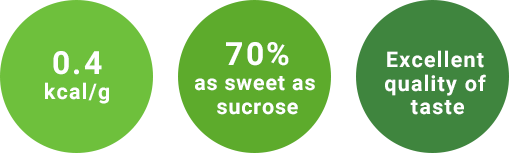
ASTRAEA™ is Matsutani’s branded allulose, produced via enzymatic epimerization of fructose using a high‑efficiency D‑psicose epimerase developed by our team. ASTRAEA™ allulose offers more than 95% purity and a clean, sugar‑like taste at about 70% of the sweetness of sucrose, with only 0.4 kcal per gram. Physically, it closely resembles fructose, yet unlike many other sugar alternatives it delivers a taste profile very similar to sucrose and performs well in baking applications, providing excellent browning and functional performance.
-
How is ASTRAEA™ allulose produced?
ASTRAEA™ allulose is produced using Matsutani’s high‑efficiency proprietary enzyme, currently the only food additive of its kind approved in Japan. The ingredient is manufactured in Mexico at a dedicated allulose facility jointly invested in with Ingredion, then imported into Japan for sieving, packaging, and rigorous quality assurance. Through this integrated process, ASTRAEA™ allulose consistently delivers premium quality, and Matsutani is planning additional capacity to support global demand.
-
Safety of ASTRAEA™ allulose
- The Maximum Non-Effect Level is 0.55 g/kg body weight.
- It has achieved as Generally Recognized as Safe, or GRAS status from the U.S. FDA (GRAS notice #498).
-
-
Sugar
replacement-
How does ASTRAEA™ allulose perform as a sweetener?
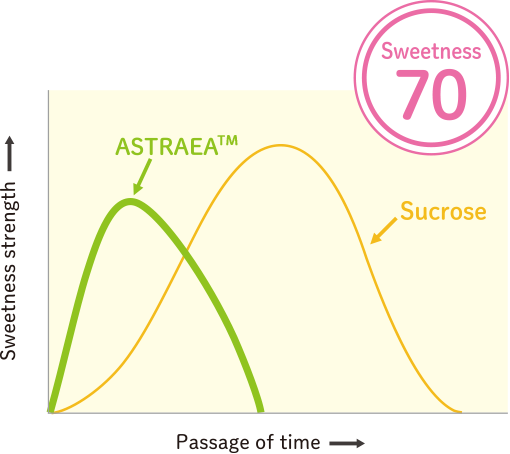
Although it is 70% as sweet as sucrose, ASTRAEA™ allulose provides sweetness with a taste quality comparable to sugar. ASTRAEA™ allulose delivers sweetness quickly with a relatively short tail, maintaining the original taste and flavor of food materials and ingredients without masking them.
-
How can ASTRAEA™ be used for food application?
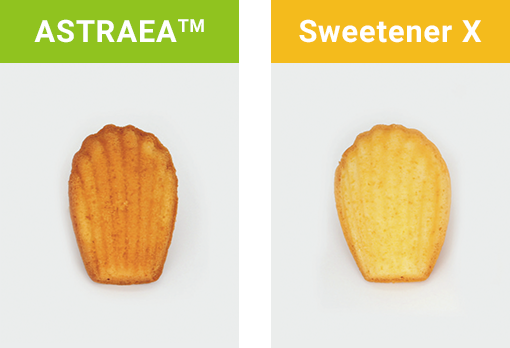
ASTRAEA™ allulose can replace sucrose in many food applications, typically with only minor sweetness adjustment. In bakery applications, it is particularly effective because it supports browning in ways some other sugar alternatives cannot. With its unique physiological benefits, ASTRAEA™ allulose is well suited for reduced‑sugar or sugar‑free desserts, as well as a wide range of health‑oriented and functional food applications.
-
-
Functional food development
-
ASTRAEA™ allulose is more than just a low-calorie sweetener– it is a functional ingredient that enhances both taste and performance in food products.
A number of clinical and animal studies suggest that allulose may be associated with certain functions in relation to healthier dietary lifestyles, including:
- Attenuating postprandial increases in blood glucose levels
- Promoting fat oxidization (= fat burning)
- Promoting GLP-1 secretion

In Japan, ASTRAEA™ allulose has been used as a functional ingredient
for wide range of Foods with Functional Claim.* Please contact us
for the details -